Simba Pride Safaris

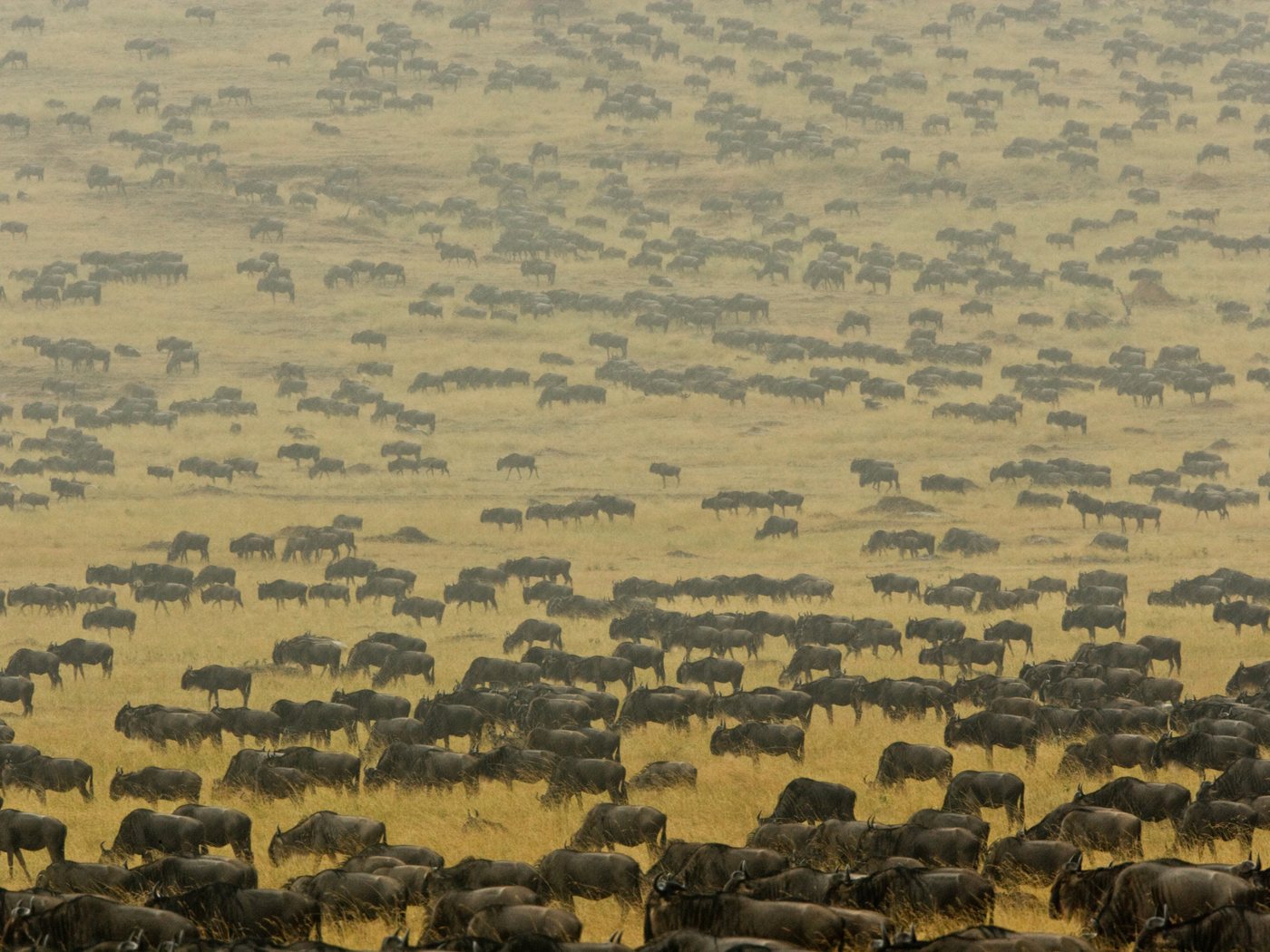
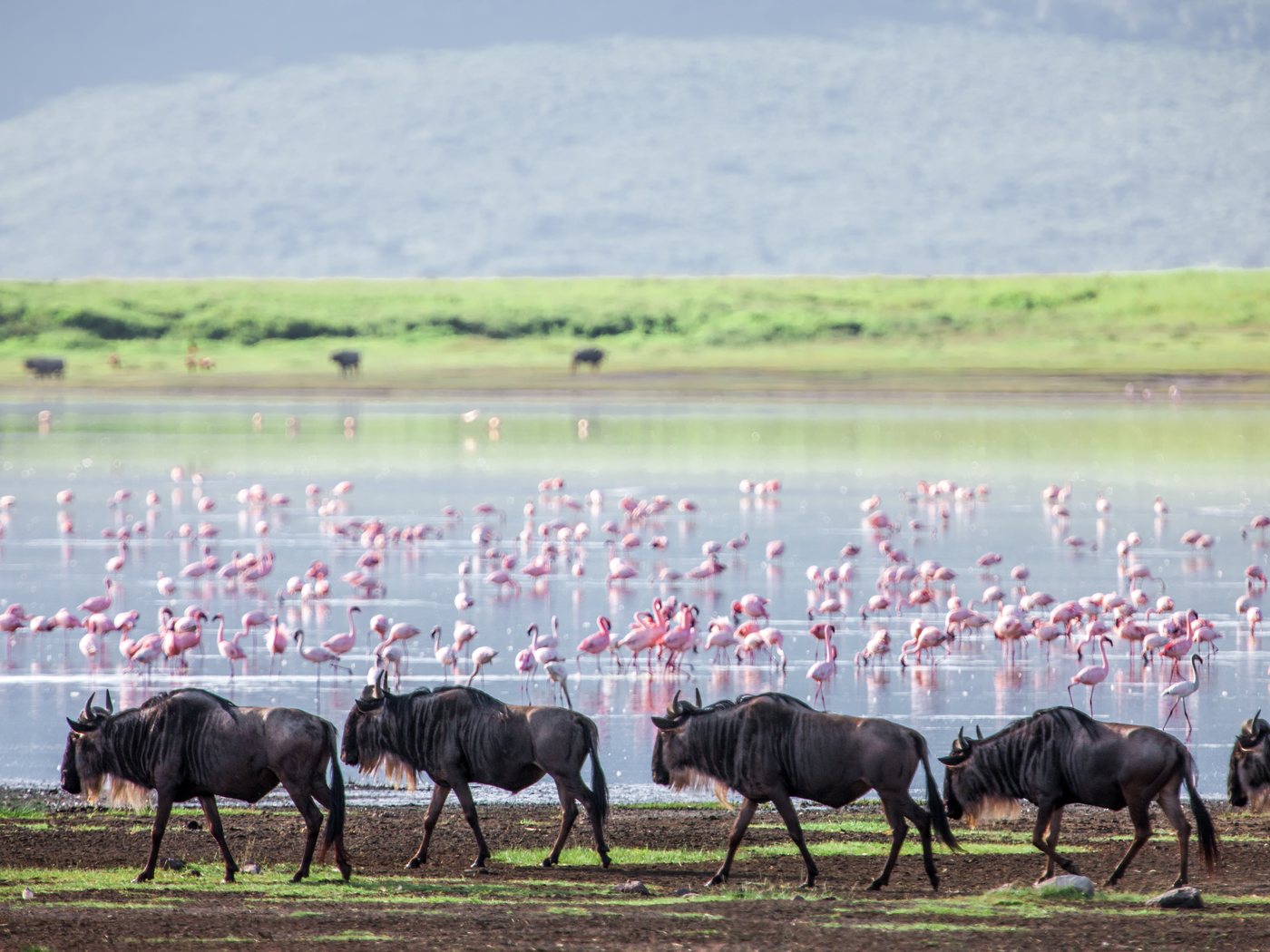
Wildebeest walking past flamingos on a shallow lake

Travel guide

know beforeyou go

Everything we tell our own guests before they land in Arusha: when to come, what to bring, what things cost and how the days actually run.

01

When to go

Tanzania is a year-round destination. What changes is where the animals are, how green the plains look and how many other vehicles you share a sighting with.

Jun to OctDry season. Thin grass, animals at the rivers, clear skies on Kilimanjaro. Peak prices and the busiest sightings in the Serengeti.
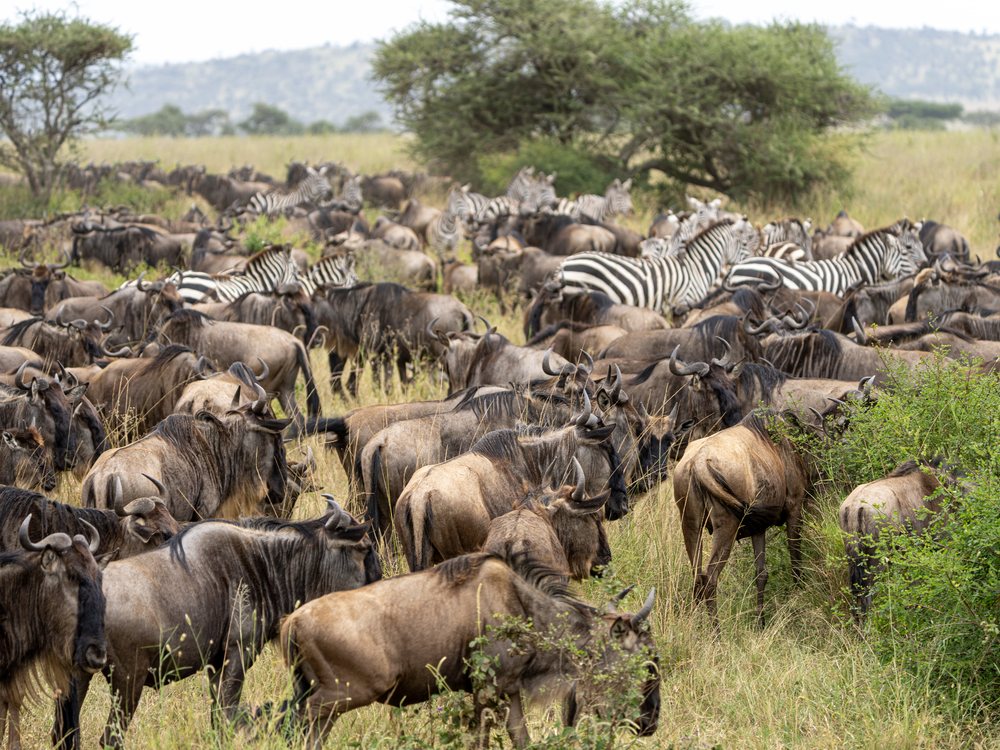
Jan to MarCalving season in the southern Serengeti. Hundreds of thousands of newborn wildebeest and the predators that follow them. Short rains have passed, the plains are green.
Apr to MayLong rains. Some camps close, roads get soft, but prices drop by a third and you may have a crater to yourself.
Nov to DecShort rains. Brief afternoon showers, dust settled, migrating birds arrive. Good value before the Christmas peak.

Where the migration usually is

  1. Dec to Mar Ndutu and the southern plains, calving
  2. Apr to May Moving north-west through the Moru and Seronera
  3. Jun to Jul Grumeti River crossings, western corridor
  4. Aug to Oct Mara River crossings, northern Serengeti and Kenya
  5. Nov Heading south again with the short rains

The herds follow rain, not calendars. Treat this as a guide and ask us for the latest sightings before you fix dates.

02

Getting there & around

Fly into Kilimanjaro (JRO)

The airport for northern safaris and the mountain, about 50 minutes from Arusha. Direct flights from Amsterdam, Doha, Istanbul, Addis Ababa and Nairobi. We meet every guest at arrivals.

Or into Dar es Salaam (DAR)

Better for the south and for Zanzibar first. Add a 1 hour domestic flight to Arusha or Serengeti airstrips.

Between parks

Private 4x4 Land Cruisers with pop-up roofs, a fridge and charging points. Arusha to Tarangire is 2 hours, to the crater 3, to central Serengeti a full day with game viewing on the way.

Fly-in options

Light aircraft link Arusha, Serengeti airstrips and Zanzibar in about an hour. Luggage limit is 15 kg in soft bags.

03

Visas & entry

  • Most nationalities can apply online for an e-visa before travel, or buy a visa on arrival at Kilimanjaro, Dar es Salaam and Zanzibar airports. Single entry is around US$50, US citizens pay US$100 for a multiple-entry visa.
  • Passports need six months' validity and at least one blank page.
  • Zanzibar is part of Tanzania. Your visa covers it, but you clear a separate immigration desk and, from 2024, pay a mandatory island insurance fee of about US$44 on arrival.
  • Keep a printed copy of your e-visa and your first night's accommodation address for the arrival form.

Rules change. We confirm the current requirements for your nationality when we send your final documents.

04

Health & safety

Vaccinations

Yellow fever is required only if you arrive from a country with a risk of transmission, including a long transit. Routine boosters, hepatitis A and typhoid are usually advised. Speak to a travel clinic six weeks out.

Malaria

Present in most of Tanzania below 1,800 m, including Zanzibar. Take prophylaxis, use the nets provided and cover up at dusk. The crater rim and the mountain are largely free of it.

Altitude on Kilimanjaro

Choose a route with acclimatisation days, walk slowly, drink 3 to 4 litres a day. Our crews carry oxygen and a pulse oximeter and check you twice daily.

Water & food

Drink bottled or filtered water, which we supply in the vehicle. Lodge food is safe and good. Bring any personal medication with a copy of the prescription.

05

Money & tipping

  • The currency is the Tanzanian shilling, but US dollars are accepted almost everywhere on safari. Bring notes printed after 2009 in good condition, and some small denominations.
  • Cards work at most lodges and in Arusha and Stone Town, often with a 3 to 5 percent surcharge. ATMs are in towns only.
  • Tipping is customary, not compulsory. As a guide: US$20 to 30 per vehicle per day for your safari guide, US$10 to 15 per day for a Kilimanjaro guide and US$6 to 10 for each porter, and a few dollars a day into the lodge staff box.
  • Our prices include park fees, guide, vehicle, fuel, accommodation and meals as listed. Drinks, tips and international flights are not included.
06

Packing lists

Safari

  • Neutral colours: khaki, olive, brown. Avoid dark blue and black, which attract tsetse flies.
  • Light layers, a warm fleece for early drives, a light rain jacket in green season.
  • Wide-brim hat, sunglasses, factor 50.
  • Binoculars, 8x42 is ideal. We carry a pair per vehicle.
  • Camera with a spare battery and cards. A 200 to 400 mm lens earns its place.
  • Soft duffel bag, 15 kg if flying between parks.

Kilimanjaro

  • Broken-in waterproof boots and camp shoes.
  • Four layers for summit night: base, fleece, insulated jacket, hard shell. Down jacket rated to minus 15.
  • Warm hat, sun hat, balaclava, two pairs of gloves.
  • Headtorch with spare batteries, 3 litres of water capacity, trekking poles.
  • Sleeping bag rated to minus 10, which we can hire for you.
  • Personal snacks, blister kit, lip balm, wet wipes.

Zanzibar

  • Swimwear, reef-safe sunscreen, a rash vest for snorkelling.
  • Light cover-ups for Stone Town and villages, shoulders and knees covered out of respect.
  • Sandals and one pair of closed shoes for the spice farm.
  • Mosquito repellent for the evenings.
  • A dry bag for the dhow trip.
07

Culture & etiquette

  • Greetings matter. "Jambo" is hello, "asante sana" is thank you very much, "karibu" means welcome. Learning a few words changes how you are received.
  • Ask before photographing people, and expect Maasai villages to charge a fee for visits and pictures. We arrange visits through families our guides know so the money stays with them.
  • Zanzibar is largely Muslim. Dress modestly away from the beach, and be discreet with alcohol and public affection, especially during Ramadan.
  • Tanzanians are unhurried and polite. Patience and a smile get more done than raised voices.
  • Plastic bags are banned in Tanzania. Leave them at home, including duty-free bags.
08

Questions we hear most

Is it safe to travel in Tanzania?

Yes, for the overwhelming majority of visitors. Safari areas and lodges are calm and well run. Use normal city sense in Arusha and Stone Town at night, and let us handle transfers rather than taking random taxis.

How far ahead should I book?

Six to nine months for July to October and Christmas, when the best camps sell out. Three months is usually fine for the rest of the year. Kilimanjaro group climbs fill early for full-moon dates.

Can children come on safari?

Absolutely. We recommend from about age six for long game drives. Some camps have minimum ages, so tell us and we will pick family-friendly lodges with pools and shorter drive days.

What is a joining safari?

A departure on fixed dates that you share with up to five other guests in one vehicle. The same itinerary and lodges as a private trip, at a lower price. See the current dates on the home page.

Will I have phone signal and Wi-Fi?

Most lodges have Wi-Fi in the main area, slow but usable. Mobile data works in towns and patchily in the parks. A local SIM at the airport costs a few dollars.

How do payments work?

A 30 percent deposit confirms your trip, the balance is due 60 days before travel. We take bank transfer, card and PayPal. Everything is written into a single invoice with no hidden extras.

still havequestions?

Send them over on WhatsApp. A real person in Arusha answers, usually within the hour during the day.

Loading itinerary…
Saved Trips